
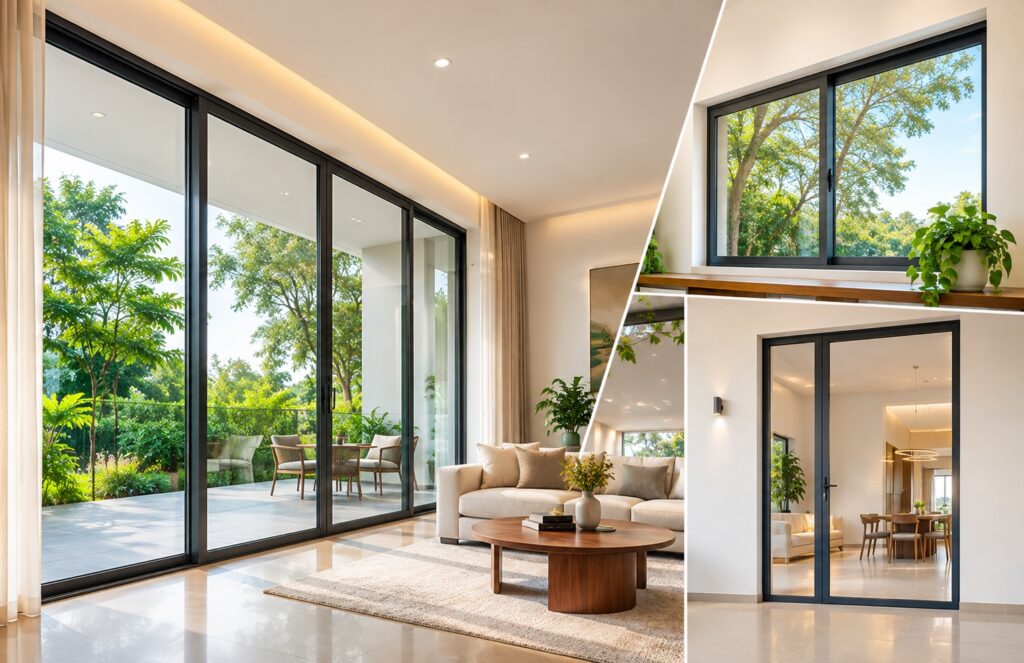
uPVC windows and doors offer a contemporary approach to designing residential spaces, combining a clean appearance with practical everyday functionality. As homeowners explore different materials for their windows and doors, uPVC has become an option worth considering for its design flexibility, range of configurations and relatively simple maintenance requirements. From sliding windows to casement styles and different door arrangements, these systems can be selected to suit the layout and character of a home. With the right design and installation approach, modern uPVC window and door solutions can complement both new homes and renovation projects.
Understanding uPVC Windows and Doors
Before choosing a window or door system, it is useful to understand the material and how it is used in residential architecture.
uPVC stands for unplasticised polyvinyl chloride. It is a rigid form of PVC commonly used in the manufacture of window and door frames. Unlike some other frame materials, uPVC does not require regular painting as part of its normal surface maintenance.
The material can be manufactured into different profiles and configurations, making it suitable for a range of window and door designs. These may include sliding, casement and other opening styles depending on the selected system.
For homeowners, the choice is not only about the material itself. The design, dimensions, opening arrangement, glazing and installation all influence how the finished window or door works within a particular space.
Understanding these aspects can help homeowners make a more informed decision when exploring uPVC windows and doors for homes.
Why Material Selection Matters in Modern Homes
Windows and doors are important parts of a building’s architecture. They influence the appearance of the exterior, the character of the interior and the way people move between different spaces.
A well-considered window or door selection should relate to the building’s overall design. Frame proportions, opening styles, colour and glass selection can all influence the final appearance.
For example, a contemporary home with large glazed openings may require a different window arrangement from a home with smaller individual openings. Similarly, the choice of a sliding or hinged door depends on the available space and the intended use.
uPVC provides a range of design possibilities that can be considered according to these requirements. Rather than choosing a system only because of its material, homeowners should evaluate how the selected configuration fits the architecture and everyday needs of the property.
Exploring Different uPVC Window Styles
One of the important considerations when selecting uPVC windows is the opening style. Different configurations serve different spatial requirements, and the right choice depends on the window location and intended use.
Sliding Windows
Sliding windows operate through panels that move horizontally along a track. This arrangement can be useful in areas where an inward or outward opening panel may interfere with furniture or movement.
Their straightforward opening arrangement makes them an option for various residential spaces. The number and arrangement of panels can be considered according to the available opening and the selected system.
Sliding windows are particularly worth exploring when homeowners want a window arrangement that does not require additional clearance for a swinging panel.
Casement Windows
Casement windows are designed with panels that open on hinges. Depending on the configuration, the panels may open inward or outward.
This style offers a different opening experience from sliding windows. It can be considered for rooms where the available space and window position support a hinged arrangement.
The opening direction, handle placement and surrounding clearance should be reviewed before selecting this type of window.
Fixed Windows
Fixed windows are designed to remain closed rather than operate as opening panels. They are often considered where the design requires a glazed opening without the need for regular access through the window.
They can be used alongside operable window sections as part of a larger window arrangement. This allows different parts of an elevation to serve different purposes.
The suitability of a fixed window depends on the ventilation requirements and the overall design of the space.
Choosing uPVC Doors for Different Spaces
Doors play an important role in connecting rooms and defining access points within a home. Their design needs to consider movement, available clearance and the relationship between adjoining spaces.
uPVC door systems are available in different configurations, depending on the product range and opening requirements.
Sliding Doors
Sliding doors use panels that move along a track. They can be considered for openings where a conventional swinging door may require more clearance.
They are often explored for connections between interior spaces and balconies or other adjoining areas. The panel arrangement and opening size need to be planned according to the available space and selected system.
Casement or Hinged Doors
Hinged doors operate around hinges attached to the frame. They are a familiar arrangement for many residential entrances and internal access points.
The opening direction and clearance are important considerations when selecting this style. The surrounding layout should allow the door to operate comfortably without interfering with nearby furniture or circulation areas.
Choosing the right door configuration requires an understanding of how the space will be used every day.
Design Flexibility and Contemporary Appearance
A window or door is not simply a functional opening in a wall. It is also an architectural feature that contributes to the appearance of a home.
Frame colour, profile proportions, glass selection and panel arrangement all influence the final design. These details should be considered in relation to the exterior elevation as well as the interior finishes.
uPVC systems offer different design options depending on the manufacturer and product range. Homeowners can explore suitable colours, configurations and glazing choices according to the overall design direction.
For a modern residence, a consistent approach to window and door selection can help create a more coordinated appearance across different rooms and elevations.
The key is to choose a design that complements the architecture rather than treating every opening as an unrelated installation.
Practical Considerations Before Choosing uPVC Systems
Selecting a window or door involves more than comparing frame materials. A few practical considerations can help homeowners evaluate whether a particular uPVC system is appropriate for their property.
Understand the Opening Requirements
Start by identifying the purpose of each opening. Some areas may require an operable window, while others may be better suited to fixed glazing.
Consider how frequently the window or door will be used, the available clearance and the movement required around it.
Consider the Glass Selection
The glass forms an important part of the complete window or door system. Its selection should consider the location, size of the opening and intended use.
Different glazing options may be available depending on the system. The appropriate specification should be confirmed with the supplier or project professional rather than assumed from the frame material alone.
Review the Frame and Profile Options
uPVC systems can differ in their profile design, dimensions and available configurations. Homeowners should review the specific product options before making a decision.
The selected frame should suit the dimensions and requirements of the opening. Product specifications should be checked as part of the selection process.
Plan for Proper Installation
Even a well-selected window or door needs appropriate installation. Accurate measurements, correct positioning and suitable finishing around the opening contribute to the final result.
Installation should be planned according to the manufacturer’s system requirements and the actual site conditions.
Maintenance and Everyday Care
Maintenance is another factor homeowners may consider when comparing window and door materials.
uPVC frames generally do not require regular painting in the same way as certain painted frame finishes. Routine cleaning can help maintain their appearance.
The glass surfaces can be cleaned using suitable glass-cleaning products. Tracks and moving components should also be kept clean, as dust and accumulated dirt may affect the operation of sliding panels.
Handles, hinges, locks and other hardware should be checked periodically. If a window or door becomes difficult to operate, it is advisable to have the relevant components inspected rather than forcing the mechanism.
The care requirements can vary according to the selected product and hardware. Following the manufacturer’s maintenance recommendations is the best way to look after the installed system.
uPVC Windows and Doors for New Homes and Renovation Projects
The selection of windows and doors is relevant to both new construction and existing home renovation.
In a new home, window and door systems can be considered during the architectural planning stage. This allows the opening sizes, frame arrangements and glazing requirements to be coordinated with the building design.
In a renovation project, the existing openings and surrounding construction need to be assessed before choosing a replacement system. Measurements, frame compatibility and finishing requirements should be reviewed to understand the scope of work.
For both situations, the most suitable option depends on the property, the intended design and the requirements of the homeowner.
Exploring uPVC window and door installation solutions with a professional team can help clarify the available configurations and the practical requirements of the project.
Bringing Design and Functionality Together with Green Interio Fusion
Choosing the right window and door system is an important part of creating a comfortable and visually coordinated home. Material selection, opening style, glazing and installation all need to work together.
At Green Interio Fusion, the focus on glass, interiors and architectural solutions reflects the importance of considering individual elements as part of the larger built environment.
For homeowners exploring uPVC systems, the starting point should be a clear understanding of the available product options and the requirements of the property. The design should suit the opening, complement the architecture and support the intended everyday use.
Whether you are planning a new residence or considering an upgrade to an existing property, modern window and door solutions by Green Interio Fusion can be explored as part of your project planning.
Give Your Home a New Perspective
The right windows and doors can contribute significantly to the appearance and functionality of a home. From the choice of frame material to the opening style and glass configuration, every decision has a role in the finished result.
uPVC offers a range of possibilities for homeowners looking for contemporary window and door designs. However, the best choice should always be based on the actual requirements of the building, the selected product specifications and the quality of installation.
If you are planning a residential project and considering uPVC windows or doors, explore Green Interio Fusion’s window and door solutions to discuss your requirements and identify suitable options.
Connect with Green Interio Fusion to plan the right window and door solutions for your space.